July 30, 2006
More Book Two progress
Wow! I've been so busy editing Book Two - Miriam that I haven't posted in two weeks. So far I've gotten through 8 chapters and cut over 5000 words, plus moved some scenes around to make the chapter endings more intriguing. Here's a hint of what's to come. Since there were female mohels in Rashi's time, I decided to make Miriam one (makes sense for a midwife to also do circumcisions).
Thus part of this book will be her mohel apprenticeship, and to that end, I've interviewed several mohels in detail about their training and how they think it was in medieval times. And I mean - in detail. If you thought making parchment was fascinating, wait until you learn how to do a brit milah. I bet you can't wait.
July 14, 2006
Book 2 more updates
My editors have given me some preliminary feedback on the first draft of Book Two-Miriam and their verdict, no surprise to me, is that it needs work. I am not shocked to learn (since I knew this version was too long) there are too many scenes that don't advance the plot, too many extraneous characters, too much historical detail that sounds like the author lecturing the reader, and not enough focus on Miriam, our heroine. So it's probably going to take me another couple
of months to rewrite and then, hopefully, back for some line-editing before a final revision in the fall. At least I know what painting and what Talmud text I want on the cover.
July 05, 2006
France World Cup match
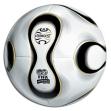
Rashi and his community may well have appreciated France's underdog victory today in World Cup Soccer, even if it did happen on Shabbat. Besides being called Salomon ben Isaac, he was also called Saloman haZafarti (the Frenchman). He called French 'our language' with pride, and lovingly called Troyes 'our town.'
As for soccer, when asked in a responsa if Jews were permitted to play various games on Shabbat, he replied that chess and nut games were forbidden (they involved a good deal of gambling) but that 'pelota' was permitted. For those of you watching World Cup on the Spanish channel, you know that 'pelota' means ball, as it apparently did in medieval French.
After Rashi gives this reply, prohibiting chess and nut games, he cautioned the questioner not to tell the people about his decision. He said that he knew they would play these games on the holy day anyways, and better they should sin in ignorance than in defiance.